













Sample Application Architecture using JAM Stack
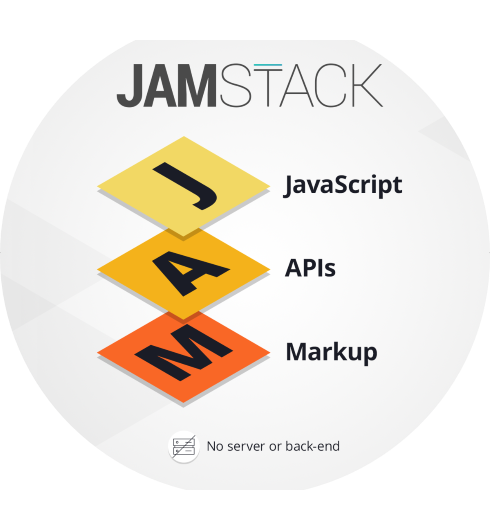
JAM STACK websites are built using data from multiple sources such as Content API's, Headless CMSs, and other web services.
- Improved scaling
- Heightened security
- Accelerated load times
- Better developer experience
- Profile
- Full Stack Developer
- Cloud Native Apps
- Development approach
Career Summary
Extensive experience working within the complete software development life cycle involving development, documentation, testing and maintenance
- Passionate about cloud-powered application development including micro-services
- Ability to work in a collaborative, transparent Squad-Based Agile Development Team
- High level of organisational, interpersonal and communication skills
Full Stack web development
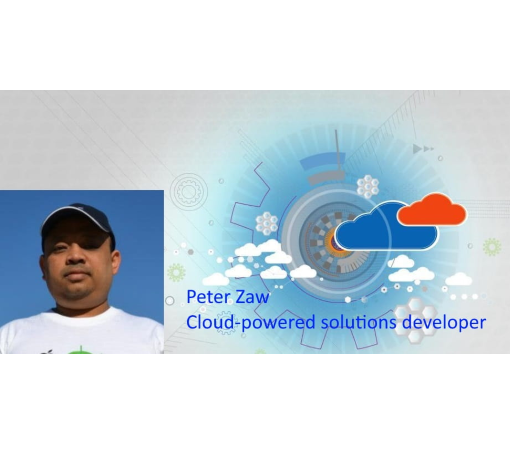
Peter Zaw is a Back-end focused Full Stack Web developer. For large projects, he prefers to work with a web designer(s).
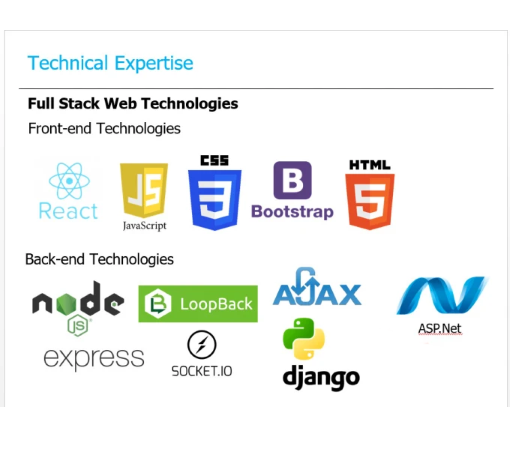
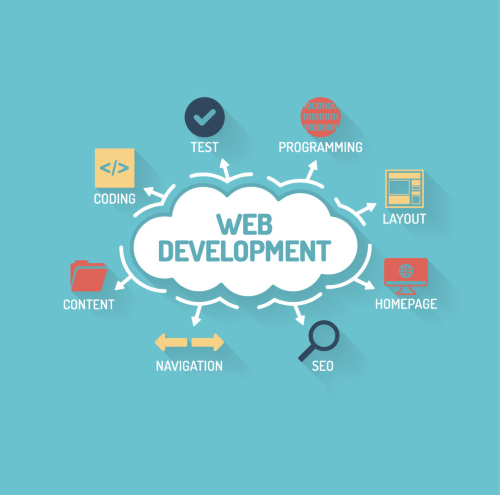
According to Udemy, full stack web development refers to the process of developing both client- and server-side software. Full Stack developers have expertise in several front- and backend languages and frameworks. On the frontend, mastery in HTML and CSS is a common requirement for the field. Developers also tend to use JavaScript, or SPA frameworks when developing a browser platform. Concerning the backend, full stack development consists of programming servers and databases. A server might call for code in Node, Golang, or Python, while a database can accept languages like SQL, SQLite, or MongoDB.
Cloud Native Apps
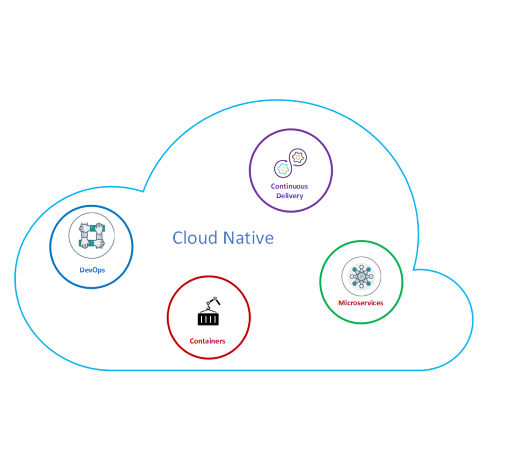
Cloud-native is an approach to building and running applications that exploits the advantages of the cloud computing delivery model. Cloud-native is about how applications are created and deployed, not where” and that’s where Containers, Microservices, Orchestraters becomes an essential ingredient of cloud native.
- Microservices Architecture
- Containers : The essential ingredient
- Service Fabric Mesh (Serverless)
- DevOps model
Development approach
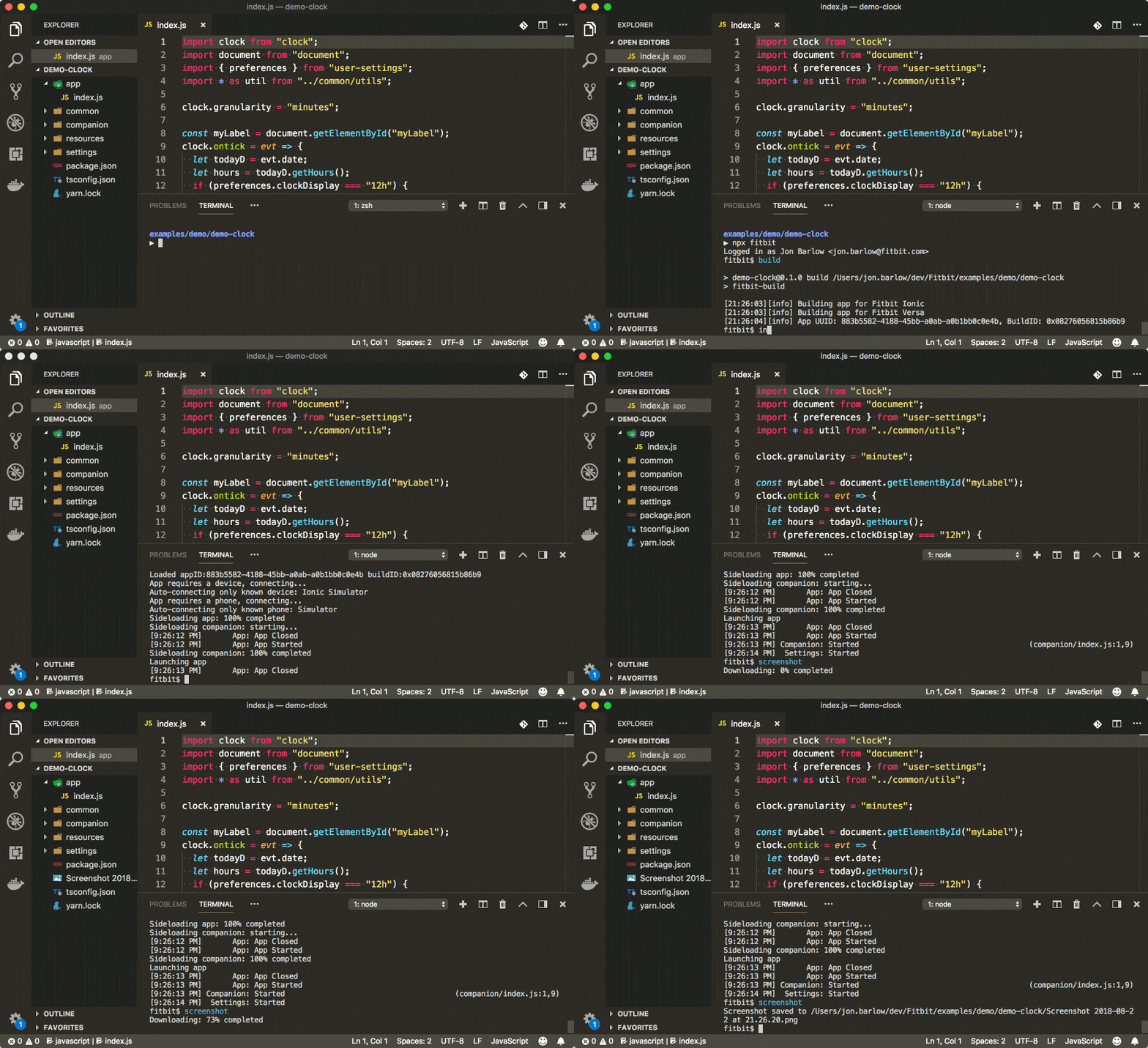
The web and mobile apps are developed using cutting-edge technology. My projects are developed using JavaScript libraries such as NodeJS, ReactJS etc. For testing React Apps, I use Enzyme with Jest, and Cypress. NodeJS applications are tested using Mocha, and Chai.
I follow Agile software development methodology that emphasizes teamwork, and the frequent and fast delivery of working software. Git is used for source code control. Continuous delivery methods are adopted.
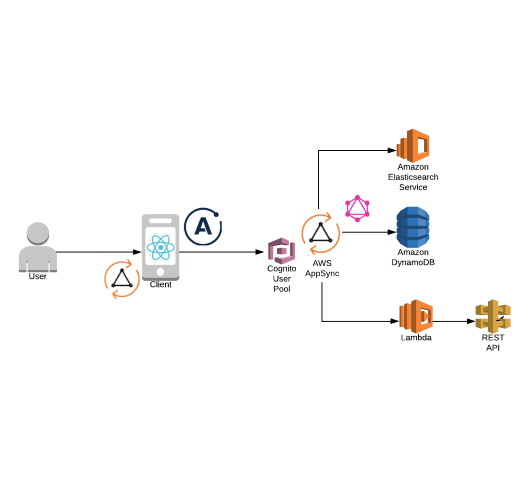
A sample Application Architecture and its features
AppSync is a managed service that uses GraphQL to make it easy for applications to get exactly the data they need.
React components are used for faster and easier web development.
Individual units/ components of the software are tested. The purpose is to validate that each unit of the software performs as designed.
AWS Lambda is an event-driven, serverless computing platform provided by Amazon as a part of Amazon Web Services.
Full stack Web Services
Tech Stack





Web3.0
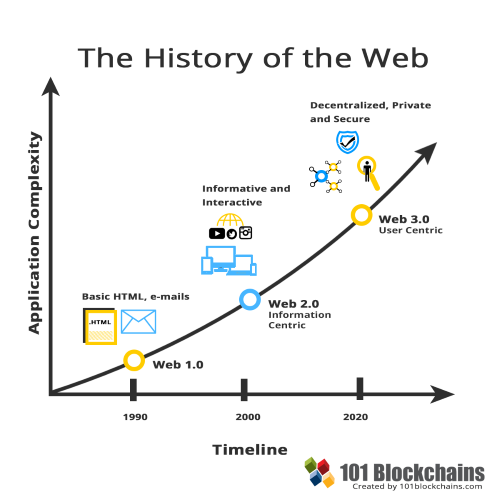
Web 3.0 is the third generation of internet services for websites and applications that will focus on using a machine-based understanding of data to provide a data-driven and Semantic Web. The ultimate goal of Web 3.0 is to create more intelligent, connected and open websites.
ref: Techtarget


Why not enjoy some Jazz music while you are here .... ?
Have a good day ....
Youtube Tech videos
Server-Side Rendering
Server-side rendering (SSR) is a popular technique for rendering a client-side single page application (SPA) on the server and then sending a fully rendered page to the client. This allows for dynamic components to be served as static HTML markup.
Serverless GraphQL
AWS AppSync allows developers to build GraphQL applications by providing a managed GraphQL service, and aims to simplify the application creation process. AWS AppSync allows developers to define the GraphQL based API, including the schemas, resolvers, and data sources.
Node.js microservices
One of the many variants of distributed systems is the microservices architecture, which structures an application as a collection of loosely coupled services. Services are fine-grained and the communication protocols are lightweight (like the HTTP protocol).
© 2026. All Rights Reserved.